Encasement: Cathartic outlet
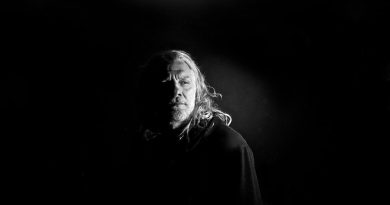
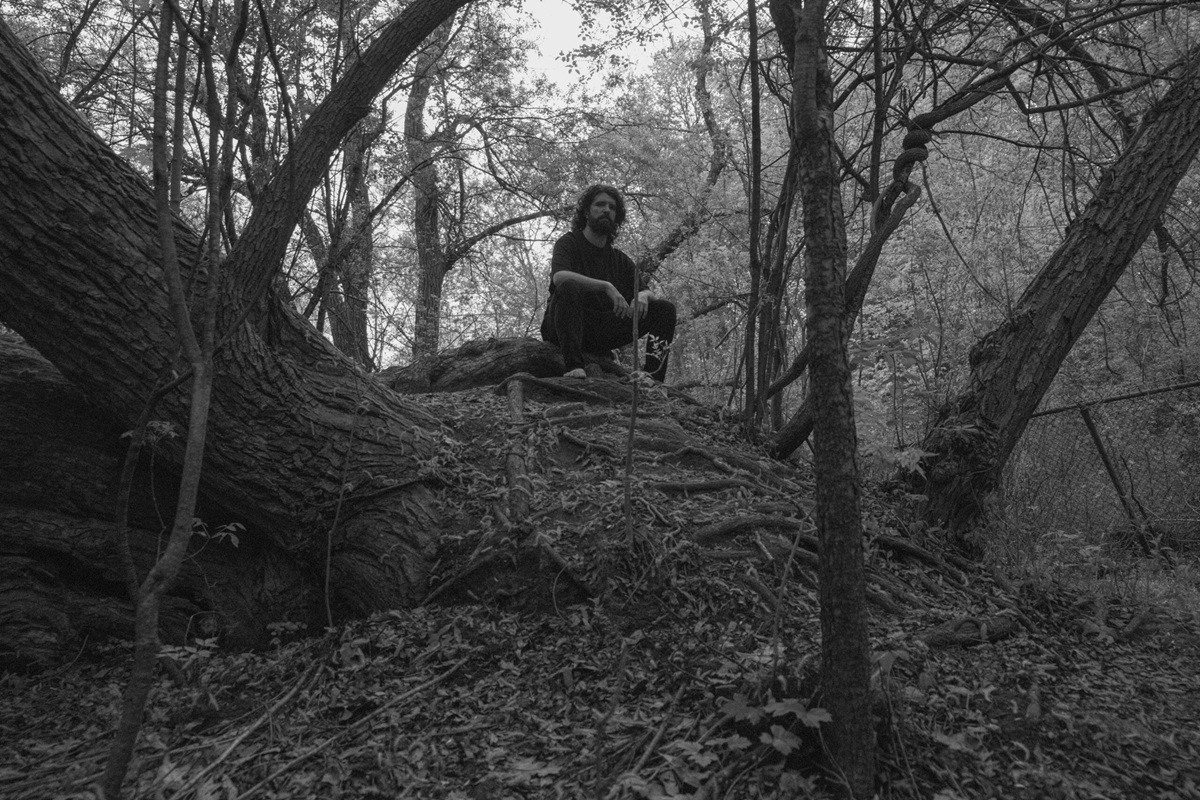
Encasement was created in 2024 by the Canadian musician James Thompson, responsible for Vocals, Guitars, Bass, Drum programming, Songwriting and Lyrics. In other words, it is truly a Black Metal solo project and the self-titled debut album just hit the market. James tells us more:
How did the project Encasement begin, James? Was it a long creative process?
Two years ago, a friend challenged me to write one riff per day with him through the month of October. We began writing riffs and exchanging them with each other, which helped kickstart the creative process. I had been going for a lot of walks at night that year (partly because I was spending a lot of time thinking about some of what I ended up writing about on the album), and often times I would end up forming some sort of riff or musical passage in my head while walking that would turn into my riff for the day. I had the idea of doing a solo black metal album bouncing around in the back of my head for a few years but it never really got off the ground. It wasn’t a genre-specific challenge, but we both ended up mostly writing metal riffs, which got me thinking it might finally be time.
Within the first week a riff came to my mind that ended up being the first riff of Exodus, and the rest of that song flowed pretty naturally from there just by sitting and playing until I felt I’d found the right continuation. The main pieces of Apparitions also came up pretty quickly. From there, I had periods of great productivity and months at a time where I basically didn’t work on it at all. After a pretty long dormant period, some of the other riffs I’d written during that month kept getting stuck in my head from time to time, and I ended up using them as the basis for more songs (intro and outro riffs of Absolution, most of Fragmentation, several parts of The Pillory). Once I had the whole project written, I spent a very long time and a lot of effort trying to figure out how to mix and master, programming and reprogramming drums, and brushing up my guitar skills enough that I could play the more challenging guitar parts. All in all, the bulk of the writing process mostly happened in a few shorts bursts near the outset, then the execution and polishing took quite some time.
Why did you choose to mix Genres?
The way I look at it, the only choice I consciously made regarding genre was to make a black metal album. Everything else more or less just seemed like the right thing to play/write in the moment; I wrote and recorded whatever came to mind during the writing process, then selected parts that I thought could stylistically fit within black metal with the right surroundings, production and vocals. There were some other conscious stylistic choices – for instance, some of the really straight-ahead, tremolo chord + blast beat, more traditionally black metal sounding bits were intentionally inserted to keep things grounded. One choice that probably did end up having a pretty big impact on the genre mix was that I decided to stop listening to metal entirely for the last 6 months or so of writing. I spent most of that time listening to 20th century classical music and occasionally going back to the music I enjoyed most in my teens / early 20s.
Any music artists that you like? Do you listen to music other than metal?
Tons. The metal bands I listen to and admire most are probably Thantifaxath, Liturgy, Deafheaven, Convulsing, Gorguts, Necrophagist and Knoll. In terms of influence, Protest the Hero were the first metal band I got super into – they were the reason I started playing guitar, and their Fortress tour in 2009 was one of the first shows I ever went to. Darkthrone, Defacement and Ved Buens Ende all played a big part in the development of Encasement despite being bands I don’t listen to quite as much as those listed above. I try to listen to new metal albums at least a few times a week and there are plenty of others metal bands that mean a lot to me, especially those with an album or two I’m super into, but the list would get very long.
That all said, I actually only got into metal really deeply around ten years ago. In no particular order, some of the bands and musicians outside of metal that have been most important and influential to me are The Mars Volta, Joanna Newsom, John Coltrane, Miles Davis, Joni Mitchell, Death Grips, Jaco Pastorius, Iceage, Nick Drake, King Crimson, The Beatles, The Beach Boys, La Dispute and Björk. I also listen to quite a bit of classical music – my favorite composers are probably Ravel, Shostakovich and Prokofiev. Lately I’ve been into Scriabin and Messiaen.
What inspires you to create?
The inspiration usually starts because I’ll hear an idea I like in my head and I’ll feel a pretty intense need to reproduce it and hear it out loud. I think part of it is that I’m really fascinated by the progression and development of music over history, so in the rare instance I feel like I have something to contribute to it I think in whatever tiny way I can, it feels important to get it out. I think that’s the main reason this material inspired me to finally write the black metal album I’d been thinking of doing for a few years – I felt I’d touched on a sound that was somewhat its own thing and it was worth expanding on and seeing through.
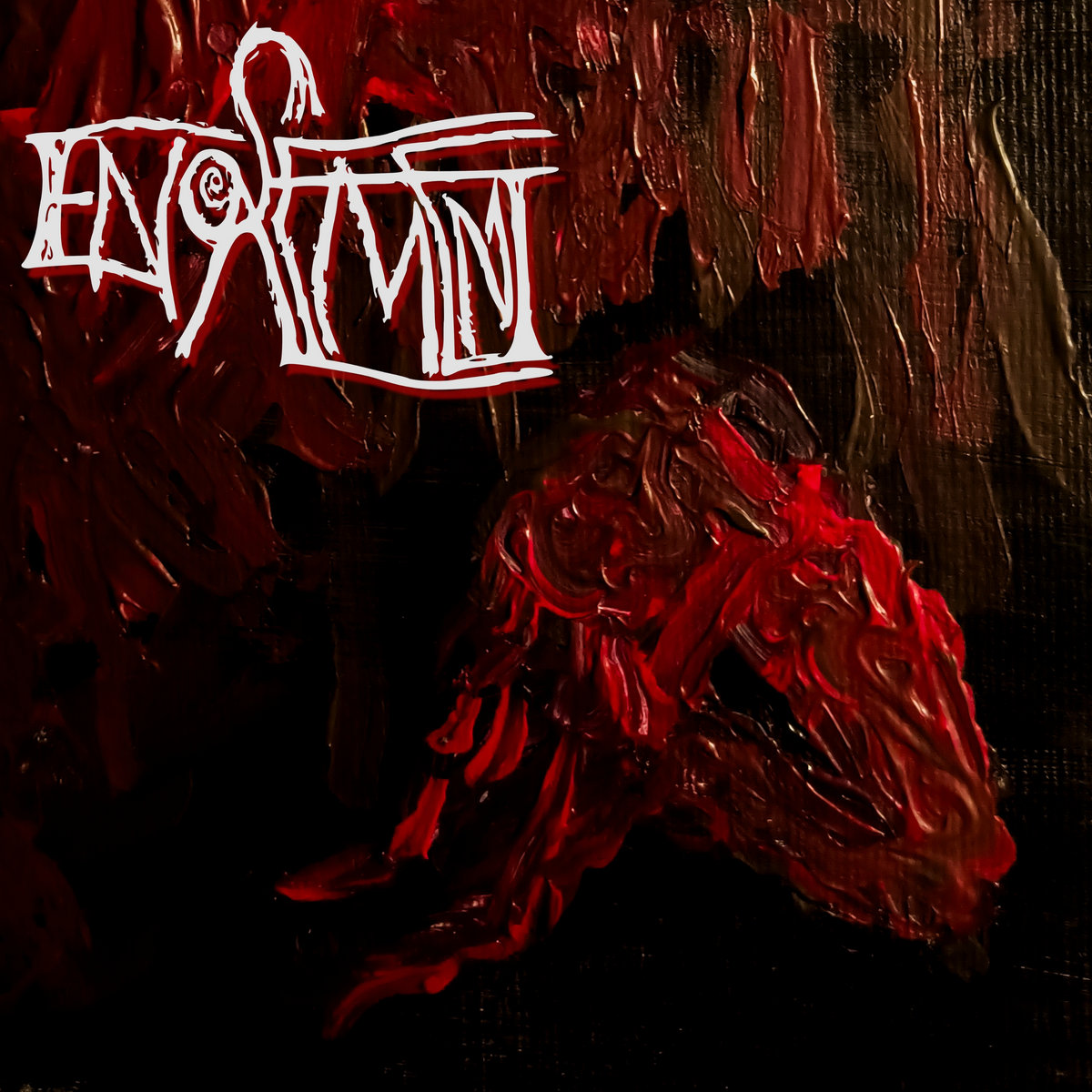
On a more personal note, I find it incredibly cathartic. I’ve always been a pretty emotional person and music has been an important outlet for it. In this instance in particular, ~2018-2024 wasn’t a terribly fun time for me and writing an album about the way I’d been feeling ended up being by far the most effective way for me to fully and freely express it. It also helped me contextualize and understand and come to terms with a lot of the things I’d been struggling with. I’ve often joked with my friends since writing the album along the lines of “who ever could have guessed that expressing your emotions through art could be a good way to process them?”
Were you interested in music and playing music from a young age?
I’ve been really interested in music my whole life, but when I was really young, I don’t think I really understood that playing it was a possibility. I never felt particularly skilled at music in school or anything. When I was around 10, my brother started playing guitar, and that sparked the realization that I could probably also play Sum 41 riffs if I had an instrument, so I ended up asking for a bass for Christmas from my parents and they got me one – for which I’m incredibly grateful. I played it pretty obsessively when I was 12-13, then picked up guitar and alternated between focusing on each throughout high school. Playing music was really the main thing I did throughout high school.
How did you structure the music for Encasement?
Once I had written about 20-30 guitar riffs/sections that I liked, I sorted the ones I liked most into 3 skeleton tracks – pretty much just transitionless mashups of riffs with hastily programmed drums and sometimes bass – based on complementary feels/sounds. I listened to those skeleton tracks constantly for a while, mostly on the way to and from work and while out on walks, as a way to spur other idea that might develop into new sections. Often, I just sat with my guitar and messed around with similar-sounding ideas until I found parts that worked well with the rest of the skeleton, then formed these into transitions and added them in until they started sounding more like real songs.
Once each skeleton track crossed that threshold, I’d begin arranging parts more intentionally into verse and chorus structures, writing new parts based on variations on earlier themes, using the chords from one section in a tremolo/blast section later, playing a lead line that called back to an earlier riff, or something else along those lines in an effort to make things more cohesive. When the first 3 tracks for the album were more or less done, I assembled a 4th and 5th skeleton and went through a fairly similar (but more intentional) process. With these last two, I was thinking a lot more about how I wanted each new track to fit in with the existing ones and contribute to the overall flow of the album. This is the main reason The Pillory sounds pretty different from the rest, for example – I was thinking of it as a palette cleanser after side A.
In some instances, the skeleton tracks were extremely disjointed and bad to the point that listening to them was really irritating, which was actually a great motivator for me to make them better. Apparitions was particularly brutal for this, and I basically completely scrapped and rewrote it at one point. Somewhere on my computer there’s a version of it with a pretty appalling spooky haunted house sounding intro riff and a 3-minute guitar break that I straight up copied from Plebeian Grandstand without realizing it.
What lies in the future for you?
I’m not sure, but I’d love to put a band together and play these songs with other musicians, and I’d also love to make another Encasement album. I’m pretty done with writing about myself, so if I do another one I plan to shift my lyrical focus outward. I have a few concepts in mind. Musically, I have one song mostly written and another collection of riffs that expand the sound in a way I’m pretty happy with. I also have quite a few riffs left over that didn’t make their way onto the first album that I hope will see the light of day eventually.
What has the reception been for the album so far? From press and metal listeners?
Pretty great! The main thing I want is for the album to reach everybody who might want to hear it, so I’ve been happy to see that it has reached quite a few listeners. As a bonus, every review I’ve seen so far has had almost all positive things to say about it. I’m sure criticism will come along eventually and I really don’t mind that, but I had no idea what the reception would be like, so for it to be more or less all positive so far does feel great. There have been some comments and messages from listeners saying the lyrics resonated with them and helped them deal with what they’re going through, which has been incredibly rewarding. One of the pieces of feedback I was most psyched about was from Blayne on BangerTV’s Metal Monthly video – he gave a bunch of praise to the drum programming, which was the part I agonized most about in the whole production – thanks Blayne!
Text: John Wisniewski Start photo: Gen Pintel